Fence Installer Tips for a Cleanser, Stronger Finish
A fencing can look straightforward from the path, once you stand at the line with a degree in your hand and wood dust on your sleeves, you understand it is a system. Blog posts set the strength, rails regulate the form, pickets or panels choose the appearance, and the coating work connections everything with each other. If you want a cleaner, more powerful result, the difference normally originates from a handful of behaviors fencing installers build over years, not from fancy materials.
Whether you are working with fence contractors, you are coordinating a fencing company, or you are a Fence installer (or Fencing Installer Melbourne style team) going for a sharper coating, these pointers will assist you obtain tighter lines, straighter deals with, and a fence that holds up when weather condition turns.
Start with the line, not the timber
The neatest fence in the world can still look incorrect if the design is off. Before any type of message goes in, you need a clear referral line and decisions that match fact on the ground.
In several Melbourne work, the ground is not just unequal, it can be awkward. Tree roots, yard beds that used to be grass, hidden solutions, and subtle drops towards drains all make "square and level" a moving target. A fencing contractor Melbourne project may need extra treatment around council containers, path proximity, and where runoff wants to flow.
A tiny useful habit: mark the fencing line with string and stakes, after that stroll it from both sides. If you are just looking right along the line, you miss whether the fence will visually "lean" right into one neighbor greater than the various other. That issues, since fences read best when they look well balanced from the road in addition to from inside the property.
Also consider exactly how you are dealing with corners and entrance openings. Gate frames are ruthless. If the line is not consistent there, the rest of the fence will look uneven even if every message is "plumb".
Digging blog posts: tidiness and uniformity beat brute force
Strong fencings begin with strong article positioning. The blog post opening is where the majority of fence installer Melbourne teams quietly make their online reputation, because it is where the stamina is either locked in or thrown away.
If you are utilizing concrete, the information still matter. You desire clean holes, secure side wall surfaces, and correct depth for the dirt problems. If you are going to pour concrete around a message, you must stay clear of putting into loosened, crumbling soil that collapses after you pull the blog post right into position.
A tip that appears standard, yet saves rework: maintain the blog post hole measurements constant from one end to the various other. In genuine sites, it is very easy to wander a couple of centimetres here and there while you are working quick. That drift ends up being rail imbalance, then picket spacing problems, then that last panel does not sit appropriate and all of a sudden everyone is searching for "another" adjustment.
When you established the posts, keep an eye on three points at the same time:
- plumb (vertical)
- alignment (line)
- height (level top)
You can not eyeball all 3 and anticipate it to come out clean. Make use of a line to set alignment, a spirit level or laser to confirm plumb, and a measurement technique to keep elevation regular, especially if you have multiple message tops fulfilling the same rail setup.
Anchor the blog post correctly, particularly near gates
Gates are the cardiovascular test. Posts near gateway openings take side tons each time the gate is pushed open, drew shut, or captured by a gust.
I have seen fencings that look great throughout setup yet droop around entrances within a season because the message base was treated like every various other message. Even if the layout is the same, the structure isn't. If you are dealing with a joint side, you require a structure that resists movement and an article that stays real while you set up the hardware.
From a fence company viewpoint, the best method is to treat entrance posts like structural components. Utilize the appropriate blog post dimension, validate the post alignment prior to concrete collections, and make sure the concrete mix and placement do not leave spaces around the base. Gaps might not be evident while you function, but they show up as looseness or sluggish movement after curing and settling.
Rail setup is where "clean" becomes obvious
Once articles are proper, rails determine just how specialist the fence looks. Straight rails produce limited darkness, even spacing, and regular lines. Jagged rails create that wavering result individuals whine around, even if pickets are "practically" aligned.
A fencing contractor will normally run a recommendation line for rail placement and then measure decline points or spacings. Do not rely on memory or guesswork for the very first rail elevation. If you desire a cleaner finish, gauge the initial rail, lock it in, and then use that rail as the layout for the rest.
An information that matters: when you set up rails, look for spin and straightness. Lumber rails can be slightly twisted out of the stack. If you install them "as discovered," you can wind up battling little alignment problems for the next day.
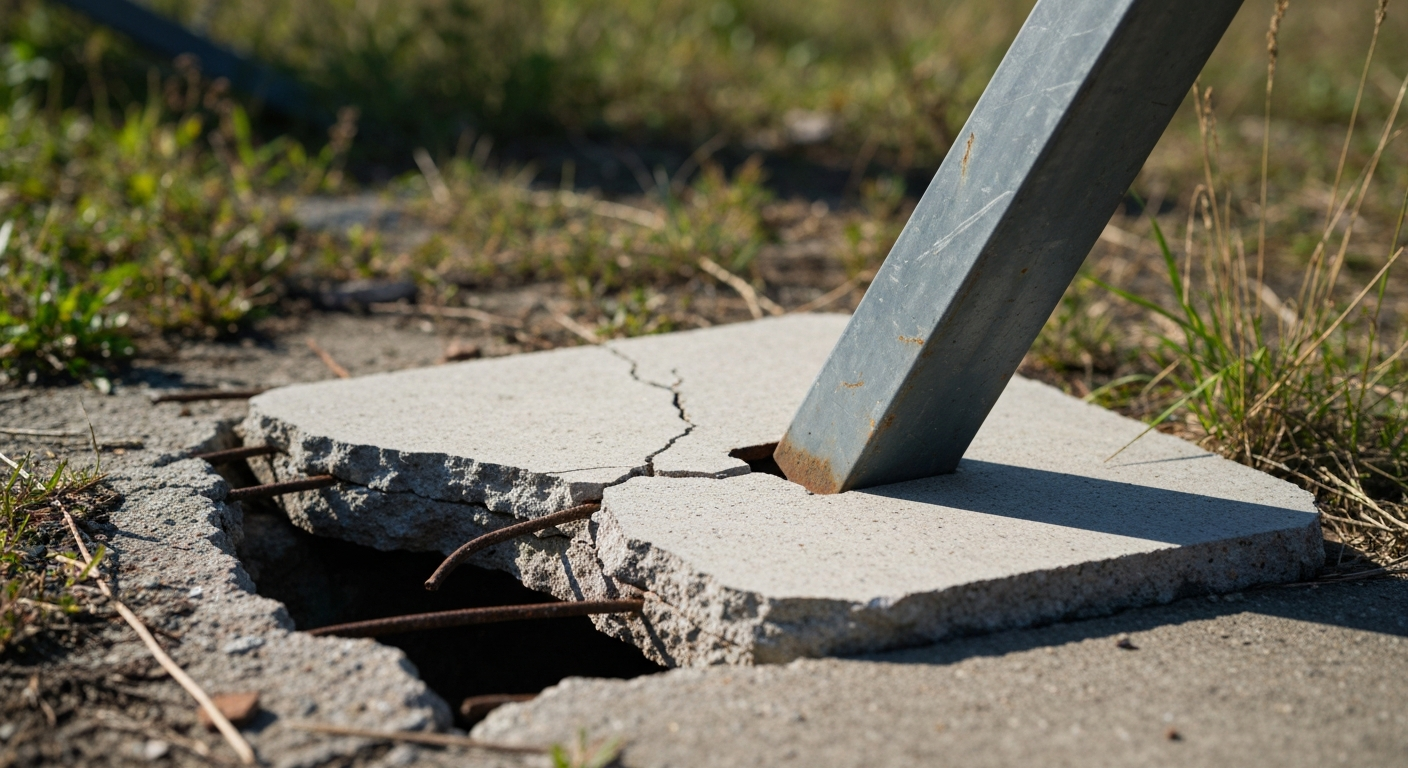
If you are taking care of longer runs, examine your rails mid-span. A sag can be little yet visible when pickets are installed. You can stop it with correct rail spacing, correct repairing factors, and occasionally including intermediate assistance if the design requires it.
Spacing self-control: use a constant gauge, not your eyeballs
Even spacing is the primary reason people trust a fence installer. It's also the hardest part to keep constant when you are weary or the site is busy.
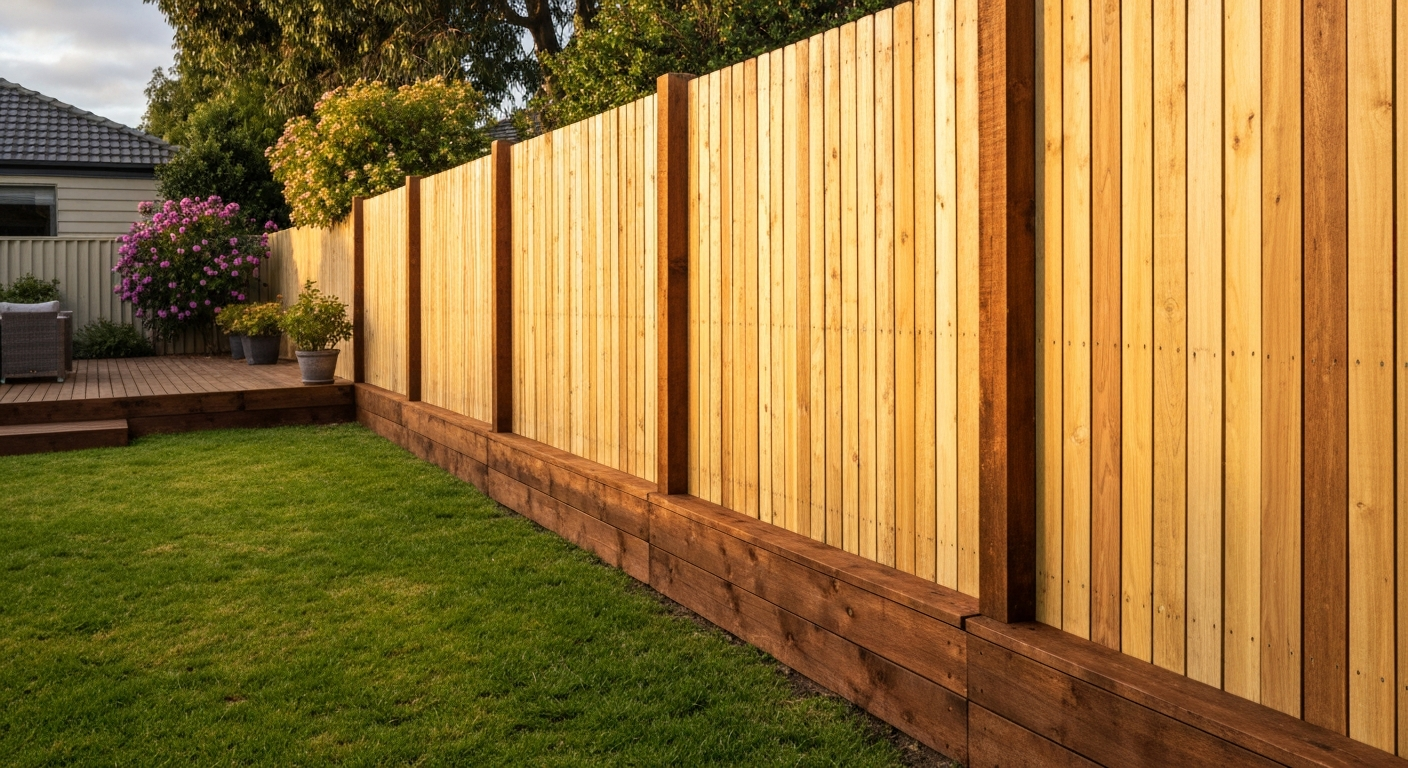
The cleaner technique is to choose a spacing approach and stick to it. Some installers make use of a spacer block, others utilize a gauging jig, and lots of make use of a mix: spacer for pickets, dimension look for the very first and last positions.
Here is the trade-off that shows up frequently: on uneven ground, requiring perfect picket spacing without adapting to the incline can develop a "checkerboard" look. You should choose very early how your fence will read. Will you comply with the slope with regular leading line, or will you tip the base while keeping the top line regular? Both can look great, however only if performed with intention.
If you want a smooth aesthetic result, choose your rule and apply it throughout the entire run. Adjusting spacing "as you go" typically makes the fence look like it was constructed by a person improvising.
Cutting and ending up: leave time for the hideous parts
A fence looks tidy because of what you perform in the much less noticeable moments. Where most DIY fencings lose factors goes to the cut finishes, the taking care of areas, and the places water collects.
For timber fencings, treat the cut ends as structural surfaces. If you punctured secured or dealt with lumber without re-protecting the revealed end grain, you can welcome early wear. A great fence installer does not rush that component, even if it really feels tedious.
For metal or composite components, the very same principle uses: look for sharp edges, guarantee taking care of points are tidy, and use any kind of advised safety layers where needed. The goal is a surface that does not break down promptly at the user interface in between materials.
Another lived-experience detail: when you cut several similar lengths, do it in a rhythm. Action as soon as, confirm the cut size against the first "examination" piece, and then reduced the remainder. Jumping in between determining and reducing without a system frequently results in small length variations that are visible after setup, particularly on fencings with panels that need to line up.
Weather recognition: curing, rain, and setting mistakes
Concrete curing and hardwood resistance are two concerns that can silently destroy a solid finish.
If rain is anticipated right after you pour, you need to secure fresh placed concrete from washout and surface erosion. A fence contractor who recognizes local conditions will certainly prepare scheduling to prevent putting right before storms, specifically when you are handling several blog posts in one line. If you have to pour during a wet duration, you adapt the operations. You stop previously, keep holes covered, and avoid relocating posts when positioning is set.
With lumber, moisture changes can slightly impact straightness and rail positioning. If you set up pickets securely prior to lumber has actually settled, you may see activity that creates spaces or uneven faces later. This is where experience aids. A fencing installer Melbourne staff typically makes use of good sequencing: established posts and rails, permit any type of required settling time, after that mount pickets with constant fixings.
Fixings and fasteners: the little options determine long-term performance
The repairings are not simply "hardware," they are the link factors that hold the fence together through wind, vibration, and repeated stress and anxiety at entrance places. If the incorrect fastener kind is used, or if bolts more than driven, you can damage wood and decrease lifespan.
A typical scenario: someone chooses a fastener because it feels safe, however it divides the timber or pulls the board slightly out of aircraft. That produces a ripple effect throughout the fence. The fix might really feel small while setting up, yet it becomes a visible line difference when multiple boards are connected.
A clean-install state of mind is to drive repairings without crushing the wood, keep them at the right placement, and prevent placing them where they will certainly ram knots, fractures, or rail edges.
If you are working with pressure-treated woods, examine whether your selected wood is developed for revealed outdoor usage and whether the recommended mendings match that usage. This is just one of those "monotonous" choices that divides a fence installer from a contractor that just wants the task completed.
Gates and frameworks: straighten as soon as, after that mount with patience
Gate installs are where fences obtain either polished or untidy. Also if the fencing line is best, a gate that rests misaligned makes the entire area look off.
A professional technique is to dry fit vital components where possible, confirm clearances, and then take care of one side each time while examining placement. For hinge-side blog posts, guarantee the joint equipment sits level and true. If you skew a hinge somewhat, it can look penalty in the beginning and afterwards bind after a week, specifically when the hardwood or equipment expands and contracts with Melbourne's changing conditions.
Also consider just how your fence deals with sloped ground near entrance thresholds. The gate needs an opening that stops dragging while still maintaining a regular look. If you neglect that and compel a one-size-fits-all remedy, you wind up with scraping, unequal spaces, or a gate that never ever really feels smooth.
Fence installer ideas that keep lines straight
You can have the ideal materials and still wind up with a fence that looks irregular due to process. Straight lines are often a result of exactly how you move down the work site, just how you check placement, and just how you manage the "in-between" phases like rail bracing, momentary supports, and dealing with minor offsets before they secure in.
Here are a few functional behaviors that aid throughout wood and panel systems.
- Use string lines and sight checks at numerous angles, not just from one viewpoint.
- Confirm article heights as you go, after that recheck after rails are installed.
- Keep your spacers regular, and verify the very first and last picket positions often.
- Align the rail system prior to committing to last picket fixing.
- Protect reduced ends and interface factors so the fence holds its finish.
That five-item frame of mind sounds simple, but it transforms the work end result. The difference in between a fencing that looks "respectable" and one that looks "correct" often comes from those checks.
Common issues I have actually seen on actual jobs
No one likes repeating blunders, but it helps to identify patterns. Below are some of the problems that appear in fence contractor tasks when time is tight or when information are skipped. These are also the problems you can ask about when you compare quotes from Fence company options or Fence installer Melbourne providers.
- Posts not set to the right deepness or not supported appropriately before concrete remedies, resulting in later movement.
- Rail positioning assumed instead of measured, causing refined waves throughout lengthy runs.
- Inconsistent picket spacing due to no gauge or no approach for checking the very first and last boards.
- Cut ends left neglected or subjected, causing much faster weathering at one of the most vulnerable points.
- Gate posts dealt with the same as normal blog posts, after that drooping starts at hinge equipment after repeated use.
If you are working with the job, you can utilize this checklist as conversation beginners. A good Fence installer will certainly identify these threats and explain how they protect against them.
Choosing the ideal fence contractor for a cleaner outcome
People look for cost first, after that wonder why their fencing looks average. Cost matters, yet the cleaner coating you want is mostly about craftsmanship technique: layout accuracy, message and rail arrangement, repairing care, and ending up details.
When you talk to Fence contractors, ask questions that reveal process, not simply item. You can find out a great deal by just how they respond.
For example:
- Do they established a recommendation line and verify height guidelines prior to digging?
- How do they handle sloped sites and still keep the aesthetic line consistent?
- What do they do to protect cut ends and vulnerable edges?
- How do they handle gateway alignment and hinge-side reinforcement?
A Fence company that works constantly will be comfortable answering these. If the solutions are vague or totally product concentrated, you might be spending for materials, not for the develop top quality that makes the fencing appearance sharp.
If you are in Melbourne, you ought to additionally seek a team that regularly manages the local realities, consisting of soil variation, water drainage considerations, and the method residential properties usually change in between lawn, paving, and yard beds. Fence installer Melbourne experts have a tendency to have cleaner operations because they have seen the very same "shocks" lots of times.
Maintenance is part of stamina, not an afterthought
A solid coating is still a creature. Timber expands, finish systems put on, fasteners can loosen up somewhat with seasonal motion, and gateway hinges always get stress.
The ideal fencings are not "fire and fail to remember." Even when whatever is developed properly, a little maintenance keeps the fencing looking new and functioning smoothly.
A functional technique is to examine at predictable periods. Try to find indications of activity around posts, loosened dealings with near gateway hardware, and very early layer break down at cut ends or scrapes. Little touch-ups are more affordable than replacing sections later.
Also, avoid cutting or clearing vegetation in such a way that produces consistent wetness traps against the fence face. Plants can reduce air flow and keep fencing contractors for repair surface areas wet longer than you expect.
How to obtain a cleaner finish also if you're renovating an existing line
Many fence jobs entail partial replacement. You might be functioning close to an old area, readjusting for a new gate, or matching the height of a fencing that was set up years ago.
That's where judgment issues. It is appealing to merely gauge off the closest old article and proceed. Yet if the existing area is currently a little out of square, you could lock in a visual misalignment.
A cleaner result originates from selecting a "master reference." Sometimes it is your home frontage. In some cases it is a level line established throughout the lawn. The fence contractor after that works from that recommendation as opposed to duplicating existing errors.
When you integrate brand-new wood with older areas, expect variation in colour and weathering tone. If the old timber is already aged, brand-new boards will stick out. The repair is not always immediate paint, but you must plan for finishing compatibility so the fence looks intentional as opposed to patched.

The finishing touch individuals notification: constant face and tidy edges
When every little thing is proper, the fencing face has a tranquility, also look. That comes from:
- consistent board orientation
- clean cut lines
- careful repairing placement
- no visible voids where the eye anticipates a straight line
It additionally originates from exactly how you take care of edges at corners and where fences meet walls or posts. Those shifts are where careless ending up shows up. A skilled Fence contractor will certainly hang out on those joints, since they are the factors your eye catches when you stroll past.
If you are employing Fencing contractors, take notice of whether they talk about edge job, not just overall materials. It is simple to forget the little information when you concentrate on the big measurement, but those junctions are commonly the difference in between "sufficient" and a fence that looks skillfully built.
When you ought to slow down and take extra care
Some minutes require even more persistence. A fence installer is not simply moving down the line, they are making decisions under genuine conditions.
For instance:
- when ground is extremely uneven and the fencing line needs a regular policy for slope
- when there is an entrance opening that has to operate smoothly
- when you are matching to existing fence heights and alignment
- when you are near services, drains pipes, or difficult access points
- when wind and site conditions make it tough to keep posts secure during set time
Slowing down below is not wasted time. It protects against the type of rework that eats your budget plan later. A clean fencing is normally the result of finding out where the task will resist, then appreciating those spots.
Final thought: toughness and sanitation are built in the same places
A cleaner surface is not different from a more powerful fence. The same routines that straighten lines also enhance architectural stability. Excellent format minimizes anxiety on rails. Appropriate post placement avoids spin and droop. Proper dealing with methods maintain the face true and sturdy. Care around gateways secures the highest-load points.
If you are picking a Fence company or comparing fence installer alternatives in Melbourne, look past the brochure pictures. Ask exactly how they establish the line, how they handle unequal ground, and what they do at the cut ends and joints. You are truly employing for procedure, not simply materials.
And if you are the Fence installer doing the work, the most effective advice is to stay disciplined at the beginning of each stage. When you dedicate to consistent dimension, thoughtful sequencing, and safety finishing information, you wind up with a fencing that festinates on the first day and still holds its shape long after the weather condition has had its turn.